
Benefits of Couples Communication Workshops: 2026 Guide
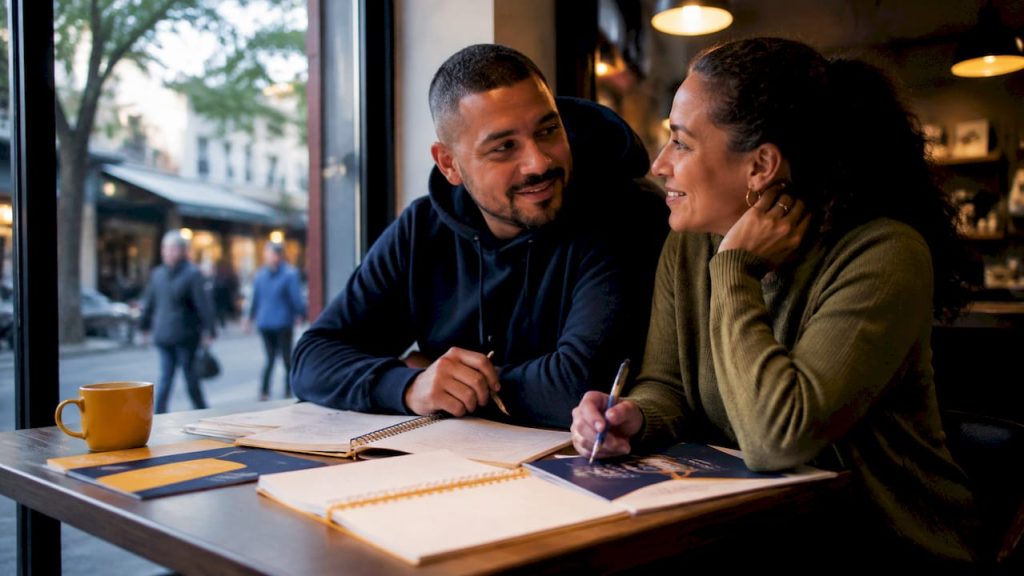
Couples communication workshops are structured programs that teach partners concrete communication and conflict resolution skills, producing measurable improvements in relationship quality and emotional connection. These programs go beyond generic advice. They give you and your partner repeatable tools that work even during high-emotion moments. Research from programs like ePREP and OurRelationship confirms that the benefits of couples communication workshops extend well beyond the final session, touching individual mental health, sleep quality, and long-term relationship satisfaction.
1. what are the top benefits of couples communication workshops?
Couples communication workshops deliver seven core advantages that go far deeper than learning to “listen better.”
1. Clearer, more direct communication. Most couples argue about the same topics repeatedly because they never learned how to express needs without triggering defensiveness. Workshops teach specific language patterns that reduce misinterpretation and keep conversations productive.
2. Better conflict de-escalation. You learn to recognize when a conversation is escalating and how to pause it before it turns destructive. This skill alone changes the texture of daily life together.
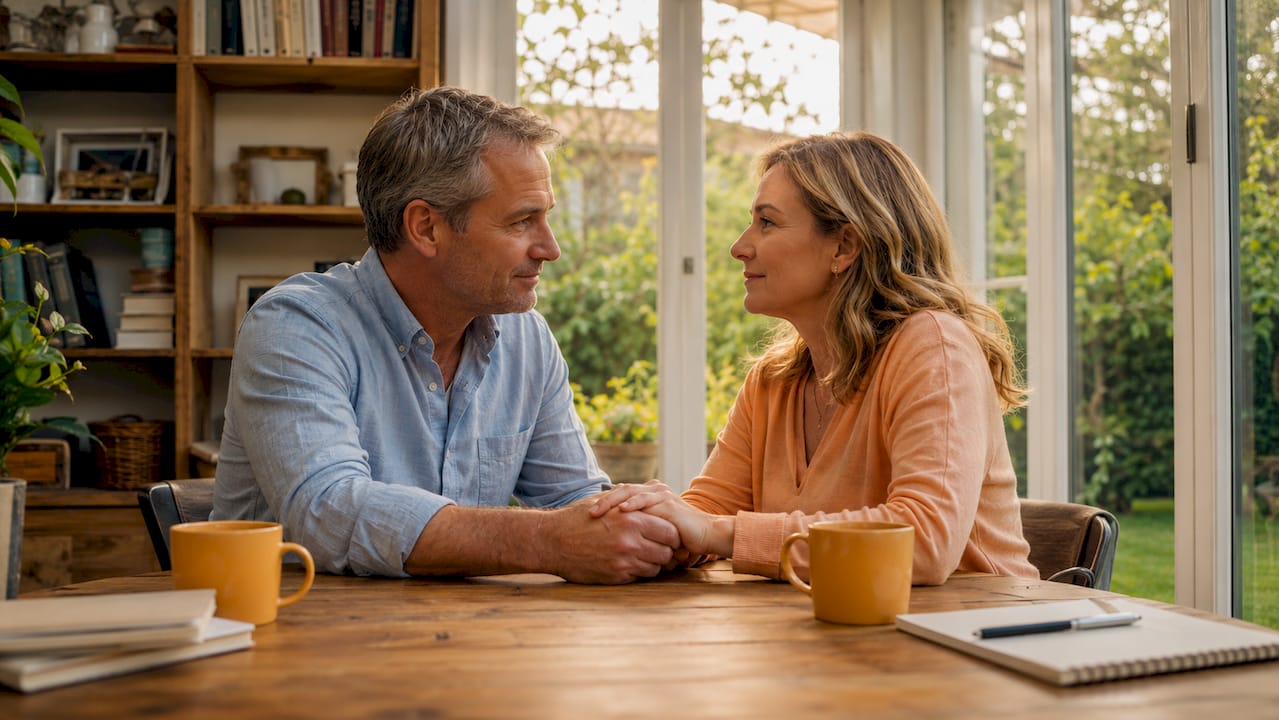
3. Greater emotional safety. Programs targeting interaction cycles and emotional reconnection produce stronger feelings of safety between partners. Without emotional safety, honest communication is impossible.
4. Stronger relationship confidence. Couples in the Strong Couples Project showed improved relationship confidence at six months follow-up, linked directly to better mental health, sleep quality, and reduced substance use. Confidence in your relationship spills over into every other area of your life.
5. Reduced individual stress. Relationship conflict is one of the top sources of chronic stress. When couples learn to manage disagreements constructively, cortisol levels drop and overall wellbeing improves.
6. Deeper intimacy and connection. Structured workshops create space for partners to be heard in ways that everyday life rarely allows. That experience of being genuinely understood rebuilds closeness.
7. Long-term relationship satisfaction. About 70% of couples show meaningful improvement in relationship distress and quality after structured communication work. That is not a marginal effect. It represents a real shift in how two people relate to each other.
Pro Tip: Take notes during every workshop session. The concepts feel obvious in the room but become slippery under stress. Written notes give you something to return to when a real argument starts.
2. workshops vs. generic advice: why structure wins
Generic relationship tips fail because they give you the what without the how. Knowing you should “communicate better” changes nothing if you have never practiced the skill under pressure.
Structured workshops teach a repeatable conflict dialogue process. That process works during emotionally charged interactions precisely because it has been rehearsed in a safe setting first. Structured processes create lasting change in ways that one-off tips never do. The difference is the same as reading about swimming versus getting in the water with a coach.
Here is what structured workshop formats provide that informal advice cannot:
- Emotion-aware listening practice. You rehearse listening while your nervous system is activated, not just when you are calm.
- Guided facilitation. A trained facilitator catches patterns you cannot see in yourself and redirects the conversation before it derails.
- Repeatable dialogue frameworks. You leave with a specific process to follow, not just a principle to remember.
- Safe practice environment. You make mistakes and recover from them in a low-stakes setting before applying skills at home.
- Accountability. The group or facilitator holds both partners to the same standard, which reduces the blame dynamic that kills progress at home.
The focus is on changing interaction cycles, not patching individual moments. That cycle-level change is what makes improvements stick over time. Without it, couples often revert to old patterns under stress, regardless of how much they learned in a single session.
Pro Tip: After each workshop session, pick one skill to practice that week. Trying to apply everything at once leads to overwhelm and abandonment. One skill, practiced consistently, rewires a habit.
3. what does research say about long-term impact?
The evidence base for communication workshops is stronger than most couples realize.
A systematic meta-review of online relationship education programs, covering nine studies and more than 2,000 couples, found consistent improvements in communication and relationship satisfaction compared to control groups. Programs reviewed included ePREP and OurRelationship, both of which use structured curricula with trained facilitators. These are not small pilot studies. They represent a substantial body of evidence.
| Outcome Measured | Finding | Time Frame |
|---|---|---|
| Relationship satisfaction | Significant improvement vs. controls | Immediately post-program |
| Communication quality | Consistent gains across reviewed programs | Immediately post-program |
| Conflict frequency | Meaningful reduction reported | 6 months follow-up |
| Relationship confidence | Improved, linked to mental health gains | 6 months follow-up |
| Individual wellbeing | Better sleep, reduced substance use | 6 months follow-up |
Longer-term studies tracking couples at 12 months confirm that benefits persist well beyond the program itself. The gains are incremental rather than dramatic. Think of it as building a new default rather than having a breakthrough moment. That framing matters because couples who expect an immediate transformation often give up when the first post-workshop argument happens.
One important limitation: benefits decline when couples stop practicing the skills they learned. The workshop provides the framework. Sustained improvement requires that you keep using it. This is not a flaw in the research. It is a realistic picture of how skill-based learning works.
4. how to choose an effective workshop for your relationship
Not all workshops deliver equal results. The program’s design matters as much as your willingness to participate.
- Look for evidence-based programs. Programs like ePREP and OurRelationship have published outcome data. If a program cannot point to documented results, treat it with caution.
- Assess facilitation quality. The facilitator’s training and experience directly affect what you get out of the program. Ask about credentials before you register.
- Consider delivery format. Online workshops remove geographic and scheduling barriers. A cost-effective online option with a structured curriculum often outperforms an in-person workshop with weak facilitation.
- Check for emotional reconnection focus. Programs that explicitly target interaction cycles and emotional safety produce stronger outcomes than those focused only on communication techniques.
- Evaluate program length. Single-day events can introduce concepts, but multi-session programs with follow-up practice produce more durable change.
| Program Feature | Why It Matters |
|---|---|
| Evidence-based curriculum | Confirms the approach has been tested and shown to work |
| Trained facilitators | Guides couples through difficult moments safely |
| Emotional safety focus | Targets the cycle-level patterns that drive recurring conflict |
| Multi-session format | Allows skill practice and reinforcement over time |
| Online delivery option | Removes access barriers without sacrificing effectiveness |
Workshops are also a versatile option for couples at different stages. You do not need to be in crisis to benefit. Couples who want to deepen connection and prevent future conflict gain just as much as those managing active conflict. If you are also working through a specific rupture, pairing a workshop with resources like conflict resolution techniques can accelerate your progress.
Key takeaways
Couples communication workshops produce lasting relationship and individual wellbeing gains when couples commit to practicing the structured skills they learn beyond the program itself.
| Point | Details |
|---|---|
| Workshops outperform generic advice | Structured dialogue frameworks teach repeatable skills that hold up during real conflict. |
| Research confirms lasting gains | Studies tracking couples at 6–12 months show sustained improvements in satisfaction and conflict reduction. |
| Relationship confidence drives wellbeing | Improved relationship confidence links directly to better sleep, mental health, and reduced stress. |
| Program design determines outcomes | Evidence-based curricula with trained facilitators and an emotional safety focus produce the strongest results. |
| Practice sustains the benefits | Skills learned in workshops decline without consistent use. Ongoing practice is what makes change permanent. |
What i’ve learned after years of working with couples
Most couples arrive at a workshop hoping it will fix their relationship. I understand that hope. But the most honest thing I can tell you is that a workshop does not fix anything. It gives you a set of tools you did not have before.
The couples I have seen transform their relationships are the ones who treated the workshop as a starting point, not a destination. They went home and practiced the dialogue frameworks during low-stakes conversations before they needed them in a real fight. They used resources like the couples therapy workbook to keep the skills active between sessions. They came back to the material when they felt themselves slipping into old patterns.
There is also a distinction worth naming clearly. A communication workshop is not therapy. It does not process trauma, address attachment wounds, or replace individual mental health treatment. What it does is teach both partners a shared language and a shared process. That shared process is what makes repair possible after conflict. Without it, even well-intentioned couples end up talking past each other.
One more thing I want couples to hear: the research on workshops is genuinely encouraging, but it also shows that benefits are incremental. You will not leave a weekend program and never argue again. You will leave with better tools for what happens after the argument starts. That is the real value. And over time, those tools change the entire dynamic of your relationship.
— Carlos
Take the next step with Couplesfightschool
If this article has you thinking about what structured communication training could do for your relationship, Couplesfightschool offers exactly that kind of practical, psychology-backed support.
Founded by licensed mental health professionals Carlos Todd and Natasha Pemberton-Todd, Couplesfightschool provides online coaching for couples and structured courses built around the F.I.G.H.T. Plan® framework. The Fight Less Love More course gives you the same repeatable communication skills taught in evidence-based workshops, delivered in an accessible online format you can work through at your own pace. Whether you are managing recurring conflict or simply want a stronger connection, Couplesfightschool has a resource designed for where you are right now.
FAQ
What are the main benefits of couples communication workshops?
Couples communication workshops improve communication clarity, conflict de-escalation, emotional safety, and relationship confidence. Research shows about 70% of couples report meaningful improvement in relationship quality after structured communication programs.
How long do the benefits of a couples workshop last?
Studies tracking couples at 6–12 months show that benefits persist when partners continue practicing the skills they learned. Without ongoing practice, gains tend to decline over time.
Are couples communication workshops the same as couples therapy?
No. Workshops are skill-building programs focused on communication and conflict management. Therapy addresses deeper psychological issues, trauma, and attachment patterns, and is led by a licensed clinician in a clinical context.
Can workshops help couples who are not in crisis?
Yes. Harvard Health confirms that structured communication programs benefit couples seeking to deepen connection, not only those managing active conflict or crisis situations.
How do i know if a couples workshop is evidence-based?
Look for programs with published outcome data from randomized trials or peer-reviewed studies. Programs like ePREP and OurRelationship have documented research backing their effectiveness across multiple studies.