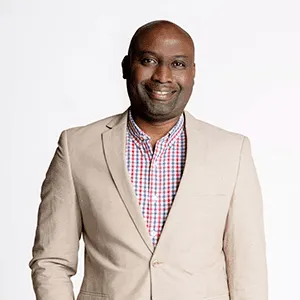
An Interview with the Couples Expert – Stuart Fensterheim
Introduction
Stuart:
Hi there! And welcome to the Couples Expert Podcast. This is Stuart Fensterheim, the Couples Expert, and welcome back to the place to learn about relationships—what to do in a relationship and, more importantly, what not to do.
Today, I have with me Dr. Carlos Todd. Most of you know that I’m involved with the upcoming summit on couples conflict, and I met Dr. Todd through the internet—where I meet most people these days. In fact, I first learned about Dr. Todd when he provided feedback on the logo for my practice. How cool is that?
Dr. Todd holds a PhD in education, is a licensed professional counselor, and has a wealth of personal and professional experience in family and couples conflict. He’s passionate about helping couples understand that conflict isn’t inherently bad; it’s how we handle it that makes the difference.
Carlos, welcome to the show! Let’s start by having you introduce yourself. What led you to work in the field of couples and conflict?
Dr. Carlos Todd’s Journey into Conflict Resolution
Carlos:
Thank you so much for having me on the show, Stuart. I’m an avid internet user, and I’ve met many colleagues online. I remember seeing your post about the logo, and I think it’s a great representation of what you’re doing. It’s amazing how relationships can start online.
Growing up, I experienced a lot of domestic violence, from the age of five until my teenage years. But I was lucky to have support around me. That experience sparked my interest in conflict and how it affects people. From a young age, I started seeking help from mentors and friends to understand healthy relationships.
I pursued a degree in psychology, followed by a Master’s in counseling, and eventually completed my PhD. My focus has always been on conflict resolution, and over the past seven years, I’ve exclusively focused my practice on anger and conflict resolution. My wife and I run our practice together in Charlotte, North Carolina, and for the past three years, I’ve been particularly focused on conflict between couples.
The Importance of Premarital Counseling
Stuart:
It’s so interesting that you mentioned how much money people spend on their weddings, yet so little on preparing for the reality of merging two lives. Do you think premarital counseling should be a requirement for getting a marriage license?
Carlos:
Absolutely. The divorce rate continues to rise, and too many people enter marriage without understanding the dynamics and skills needed to make it work. Premarital counseling should be standard practice. It’s not just about the wedding day, it’s about merging two individuals with different backgrounds and values into a unified partnership.
Vulnerability and Conflict Resolution
Stuart:
I love the analogy you gave about how people often think they should just “know” what their partner needs or feels. It’s like they expect to read each other’s minds. Why do you think vulnerability is so critical in conflict resolution?
Carlos:
Vulnerability is key because it opens up the possibility for real communication. People often avoid vulnerability because they feel unsafe or fear rejection. But in my own experience, I’ve always known that there’s something better out there, and I couldn’t just rely on osmosis—I had to actively seek knowledge. Vulnerability allows us to express our emotions honestly and find understanding in our partners.
The Role of Introspection in Relationship Growth
Stuart:
You mentioned how introspection is crucial for relationship growth. How do you think introspection helps couples?
Carlos:
Introspection helps individuals understand their own insecurities and emotional triggers. It’s about looking at yourself and saying, “Do I like who I am? Am I treating others the way I want to be treated?” Many people avoid this kind of self-reflection, focusing only on career success rather than relationship health.
Conflict as an Opportunity for Growth
Stuart:
We all experience conflict, but it’s how we handle it that really defines the relationship. How do you help couples see conflict as an opportunity for growth?
Carlos:
Conflict should be seen as a marker that signifies “we’re ready for something new.” It’s not just about avoiding conflict but using it to deepen your connection. In my sessions, I often compare relationships to different countries—each partner is like a separate country with its own culture. Merging those “cultures” takes work and understanding, but it’s through that work that couples grow together.
Understanding Emotional Intensity in Conflict
Stuart:
In your practice, you help couples understand emotional intensity. Could you explain what that means?
Carlos:
Sure! Emotional intensity is about understanding how different situations impact us emotionally. One partner may feel a small emotional reaction to an issue, while the other may experience it on a much deeper level. We often misunderstand each other because we don’t recognize the emotional context. I help couples quantify their emotional experiences to open up dialogue and understanding.
Meeting Emotional Needs and Healing
Stuart:
How do you help couples meet each other’s emotional needs, especially when dealing with past wounds or triggers?
Carlos:
The key is creating a safe emotional space. When couples understand each other’s emotional landscape, healing happens. People need to feel loved and valued by their partners, especially when they’ve been hurt before. When both partners are willing to engage vulnerably and understand the emotional triggers, that’s when real healing can occur.
Promoting the Couples Conflict Summit
Stuart:
Before we end, I want to make sure we talk about the Global Summit you’re involved with. Could you share more details with our listeners?
Carlos:
Yes, I’ve organized a summit on couples conflict, which will be available for free from August 9th to 12th. It features over ten experts discussing various aspects of conflict in relationships—everything from parenting conflicts to military family issues. It’s a fantastic opportunity to hear from professionals in the field.
Stuart:
That sounds incredible! It’s amazing that it’s free and available online. I encourage everyone to visit couplesconflicts.com to sign up and access this valuable content.
Closing Remarks
Stuart:
Carlos, thank you so much for being on the show today and sharing your expertise. You’ve given us so much to think about when it comes to handling conflict in relationships.
Carlos:
Thank you for having me, Stuart. It’s been a pleasure.
Stuart:
And thank you to all our listeners. Remember, conflict is a part of life, but how we handle it can make all the difference. We’ll see you next time on the Couples Expert Podcast. Bye-bye!