
Why Christian Couples Still Struggle with Conflict
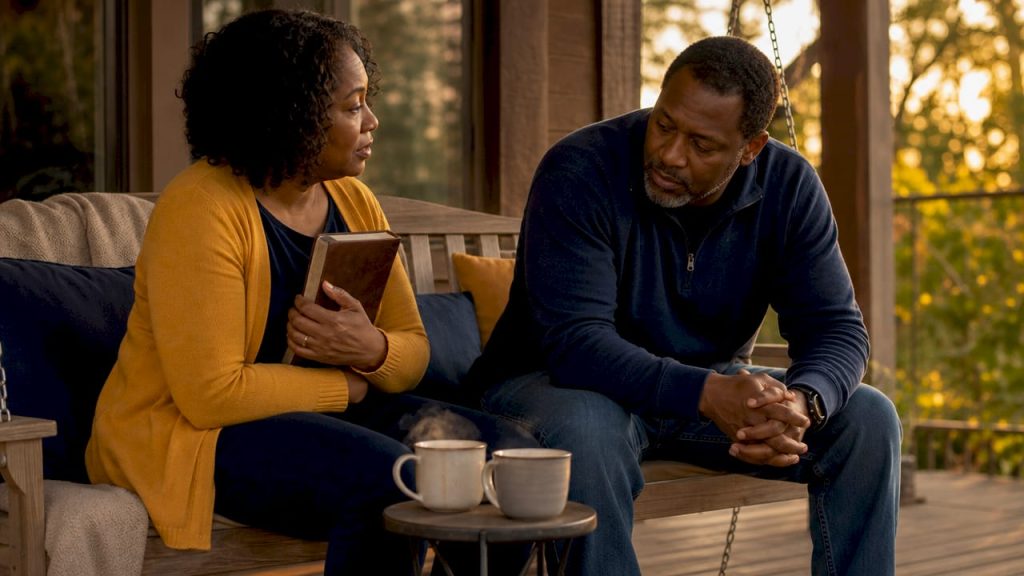
Christian marriage unites two imperfect people in a lifelong covenant, which means conflict is not a sign of failure. It is a predictable outcome. Yet why Christian couples still struggle with conflict surprises many believers who expect faith to smooth the relational road. Research from Communio’s survey of over 20,000 active churchgoers shows that 24% of married church members report struggling in their marriage, with women reporting struggles 31% more than men. That gap reveals something important: many husbands do not even know there is a problem. Faith is not the issue. The gap between spiritual belief and relational skill is.
Why Christian couples still struggle with conflict at its roots
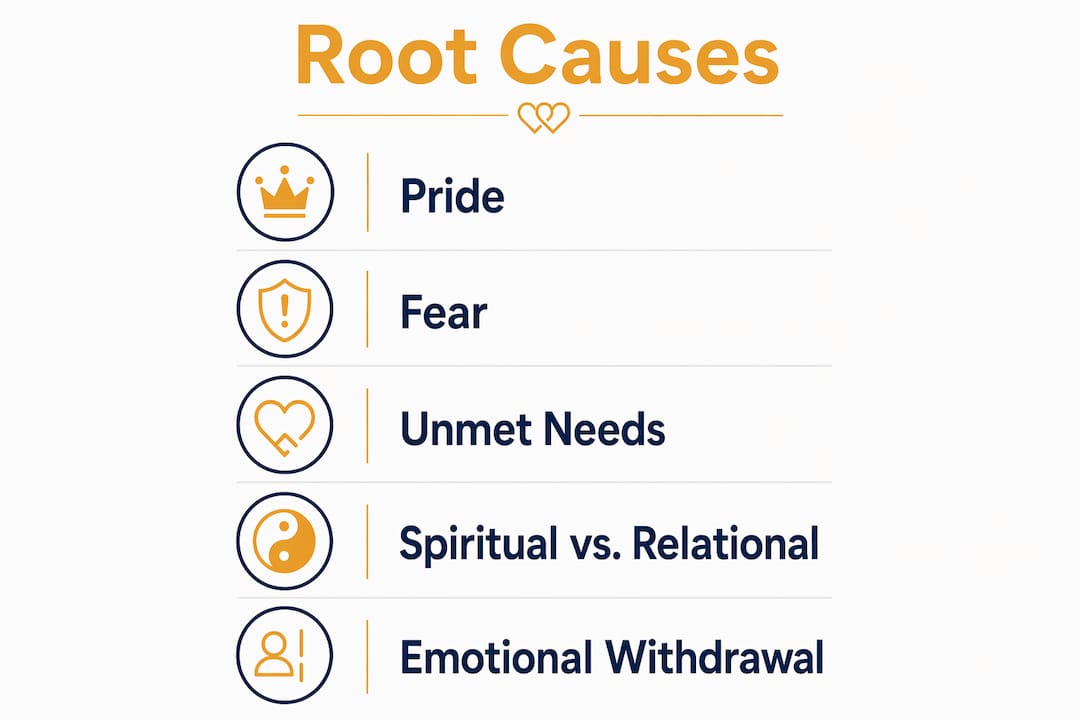
Communication is the most visible symptom of conflict in Christian marriages, but it is rarely the actual cause. Beneath the arguments about money, parenting, or time sit deeper forces: unspoken expectations, pride, fear, and unmet emotional needs. Couples often fight over surface issues that mask unspoken needs, and effective resolution requires translating those needs into clearly expressed desires before any productive conversation can happen.
Many Christian couples also confuse spiritual maturity with relational maturity, expecting faith to automatically resolve relational struggles. It does not. A couple can attend church every Sunday, lead a small group, and still have no framework for handling a heated disagreement without shutting down or escalating. Spiritual growth and communication skill are two separate disciplines that must be developed in parallel.

John Gottman’s research shows that couples wait six years before seeking help, allowing criticism, defensiveness, and withdrawal to calcify into default patterns. Six years of unchecked negative cycles is a long time for damage to accumulate. By the time many Christian couples seek counseling, the patterns feel permanent even when they are not.
The most common conflict drivers in Christian marriages include:
- Unspoken expectations about roles, finances, intimacy, and spiritual leadership that were never discussed before marriage
- Pride and self-protection that make admitting fault feel threatening to identity
- Fear-driven reactions rooted in past wounds that resurface during present disagreements
- Power struggles expressed through blame, demands, and emotional punishment rather than honest conversation
- Highly conflicted couples who engage in intense blame and coercion, escalating every disagreement into a battle for control
Each of these drivers operates below the surface. Until couples learn to name them, they will keep fighting the same argument with different words.
How the gospel reshapes the way couples handle conflict
The gospel does not promise conflict-free marriage. It promises a framework for responding to conflict with humility, repentance, and sacrificial love. As Servants of Grace notes, marriage joins two sinners in covenant, and gospel-shaped responses focus on humility and repentance rather than winning or self-justification. That reframe changes everything about how a disagreement unfolds.
“Love is volitional and sacrificial, not merely emotional, requiring ongoing nurturing and faithfulness.” This is the gospel’s definition of love in marriage, and it stands in direct contrast to the cultural idea that love is a feeling that either exists or disappears.
Viewing marriage as a covenant rather than a contract shifts the entire orientation. A contract says, “I will give as long as I receive.” A covenant says, “I am committed regardless of how I feel today.” That commitment creates the safety couples need to be honest about pain, failure, and need without fearing abandonment.
True repentance in marriage means specific, honest confession rather than vague apologies like “I’m sorry you felt that way.” Christlike leadership and mutual submission, as described in Ephesians 5, are meant to create unity rather than hierarchy or passivity. When both spouses orient toward serving the other, the power struggle loses its fuel. The gospel transforms conflict by teaching couples to aim for covenantal endurance over emotional perfection.
Pro Tip: When an argument escalates, pause and ask: “What does my spouse need from me right now?” That single question shifts the dynamic from competition to care, which is the gospel in action.
What does emotional withdrawal do to a Christian marriage?
Emotional withdrawal is the quiet conflict pattern that does the most long-term damage. It does not look like fighting. It looks like one spouse going silent, becoming distant, or burying themselves in work, ministry, or screens. Avoidance feels like peace but actually blocks reconciliation and increases long-term distance. Many couples misread the absence of arguments as evidence that things are improving.
The data tells a different story. Couples who mistake “not fighting” for improvement are actually experiencing the erosion of intimacy and trust in slow motion. Withdrawal disrupts spiritual unity because two people who cannot be emotionally honest with each other will also struggle to pray together, worship together, or pursue shared faith goals.
| Behavior | Short-term effect | Long-term consequence |
|---|---|---|
| Emotional withdrawal | Temporary calm | Eroded trust and intimacy |
| Avoidance of hard topics | Reduced conflict frequency | Widened emotional distance |
| Silent treatment | Perceived control | Increased resentment |
| Spiritual busyness without connection | Sense of purpose | Relational isolation |
Re-engaging emotionally after a pattern of withdrawal requires courage, patience, and grace. It means choosing vulnerability when self-protection feels safer. Avoidance is often mistaken for maturity or peace, but it actually represents the absence of resolution. The path back to connection is not a single conversation. It is a series of small, consistent choices to stay present rather than retreat.
Pro Tip: If withdrawal is your default, start with a low-stakes check-in. Ask your spouse one honest question about their week and listen without fixing. That practice builds the emotional muscle for harder conversations.
Why do some Christian couples fail at reconciliation?
Reconciliation fails most often not because couples stop trying, but because they try in the wrong direction. One spouse silently carries responsibility for the other’s transformation, waiting and hoping the other person will eventually change. This creates a fear-driven emotional climate where honesty becomes a casualty. The spouse carrying the weight sacrifices truth for calm, and the relationship stagnates.
Mutual healing requires a different posture. Here is a framework for shifting toward shared responsibility:
- Own your contribution. Each spouse identifies and acknowledges their specific role in the recurring conflict pattern, not the other person’s.
- Communicate without demanding outcomes. Express needs and feelings clearly, then release control over how your spouse responds.
- Stay faithful to the process. Healing is not linear. Commit to showing up consistently even when progress feels slow.
- Root identity in Christ, not in the marriage’s current state. When your sense of worth depends on your spouse’s behavior, every conflict becomes a threat to your identity.
- Seek outside support. Couples who engage counseling and community recover more effectively than those who remain isolated.
Power struggles arise from fear and control rather than communication deficits alone. Addressing the fear cycle explicitly, naming what each spouse is actually afraid of, is what creates the safety needed for genuine reconciliation. Without that honesty, couples can go through the motions of conflict resolution without ever touching the real wound.
Key takeaways
Christian couples struggle with conflict because faith and relational skill are separate disciplines, and both require intentional, ongoing development to produce lasting change.
| Point | Details |
|---|---|
| Faith does not replace skill | Spiritual maturity and communication skill must be developed separately and together. |
| Root causes run deeper | Pride, fear, and unspoken expectations drive most conflict, not surface disagreements. |
| Withdrawal is not peace | Emotional avoidance erodes trust and intimacy over time, even when arguments decrease. |
| Reconciliation requires mutuality | Both spouses must own their role; one-sided responsibility creates fear-driven stagnation. |
| Community accelerates healing | Couples who use counseling and trusted community recover more effectively than isolated ones. |
What I have learned after years of working with Christian couples
After working with hundreds of Christian couples through Couples Fight School, I can tell you the most common thing I hear: “We love God and we love each other, but we cannot stop hurting each other.” That sentence captures the central tension perfectly. Faith is real. The love is real. And the conflict is also real.
What I have found is that many Christian couples carry an unspoken belief that struggling in marriage is a sign of spiritual failure. So they hide it. They perform unity at church while living in quiet disconnection at home. Religious busyness without relational intimacy actually worsens the fault lines because it fills the calendar while the marriage starves for honest connection.
The couples I have seen make the most progress share one trait: humility. Not the performance of humility, but the actual willingness to say, “I am contributing to this problem, and I need help.” That posture opens the door to real change. A couples prayer journal or regular spiritual check-ins can help couples stay connected to both God and each other, but those practices work best when paired with honest communication tools, not used as substitutes for them.
My honest encouragement: stop waiting for your spouse to change first. Stop waiting until things get worse before you seek help. The gospel calls you to act with courage and humility now, not after the next blowup. Hope is not naive in a Christian marriage. It is grounded in the same grace that holds everything else together.
— Carlos
Ready to move from conflict to connection?
If this article named something you have been living but could not quite articulate, you are not alone. Couplesfightschool was built by licensed mental health professionals Carlos Todd and Natasha Pemberton-Todd specifically to give couples the practical tools that faith alone does not automatically provide.
Whether you are in a high-conflict season or simply want to stop repeating the same arguments, Couplesfightschool offers conflict resolution techniques you can start using today, along with a couples therapy workbook designed to guide you through the deeper work at your own pace. The F.I.G.H.T. Plan® framework is psychology-backed, faith-affirming, and built for real couples navigating real struggles. You do not have to figure this out alone.
FAQ
Why do Christian couples struggle with conflict despite strong faith?
Faith provides a moral and spiritual framework, but it does not automatically teach communication skills or emotional regulation. Spiritual and relational maturity are separate disciplines, and confusing the two leads to unspoken expectations and unresolved patterns.
What is the most common source of conflict in Christian marriages?
Communication breakdown is the most visible issue, but the root causes are usually pride, fear, and unmet emotional needs. Couples often fight over surface topics while the deeper unspoken needs remain unaddressed.
How does emotional withdrawal affect a Christian marriage?
Emotional withdrawal erodes intimacy and trust over time, even when arguments decrease. The absence of conflict is not the same as the presence of connection.
Why do Christian couples avoid addressing conflict directly?
Avoidance often feels like keeping the peace, but it actually delays resolution and widens emotional distance. Many couples mistake silence for maturity when it is actually the absence of courage to engage.
When should Christian couples seek outside help for conflict?
Couples should seek counseling before patterns become entrenched. Gottman’s research shows that couples wait six years on average before getting help, which allows negative cycles to calcify. Earlier intervention produces significantly better outcomes.
Recommended