
Online Marriage Course Costs for U.S. Couples: 4 Tiers, What You Get
Online marriage courses for communication and conflict range from free or low-cost self-guided modules to more expensive live intensives and multi-session coaching. The biggest driver of price is how much human support comes with the material: coach calls and live facilitation cost more, but research on coach support links that support to higher completion and often stronger results.
TL;DR:
- A single purchase suits a focused course, while a subscription may cost more over time if you forget to cancel; check renewal and refund terms.
- Choose paid coaching if conflict is active or accountability is essential; courses without coaching may suit mild communication friction but carry greater dropout risk.
- A national trial of OurRelationship reported improved relationship satisfaction (d = 0.69) and lower depressive and anxious symptoms (d = 0.71 and 0.94).
- One analysis found internet programs can become more cost effective than therapy delivered in person once they serve roughly 153 to 229 couples.
Table of Contents
- Typical U.S. price bands and what you get at each level
- How billing models change your real out-of-pocket cost
- How much human support affects cost and results
- Is it worth it? What the research says about effectiveness
- A practical checklist for comparing cost and value
- A clinician’s note on using these courses well
- Where Couples Fight School fits your budget
- FAQ
- Sources
Typical U.S. price bands and what you get at each level
Course prices tend to cluster around what level of guidance is included rather than around content volume alone. Knowing the bands helps you compare apples to apples instead of judging a course by its homepage alone.
- Free or low-cost: single modules, introductory lessons, or a downloadable worksheet set, usually with no coaching and limited depth.
- Mid-priced: self-paced courses with several modules, companion worksheets, and sometimes automated email or app reminders to keep you on track.
- Higher-priced: structured curricula that add scheduled coach calls, live Q&A sessions, or a bundled workbook meant to reinforce the lessons.
- Premium options: multi-session private coaching packages, intensive programs, and workshops led by a live facilitator in real time.
A handful of programs offer sliding-scale pricing, scholarships, or employer assistance through an employee wellness benefit, and many run occasional discount sales around holidays or awareness months. If a course looks oddly cheap for the support it promises, check whether that price is a limited-time offer rather than the standard rate.
How billing models change your real out-of-pocket cost
The sticker price on a course rarely tells the whole story. Some programs charge a one-time fee for lifetime or long-term access, which tends to be the better deal if you only need a short, focused course. Others run on a subscription, which can make sense if the content library is large and you expect to return to it over months, but costs more over time if you forget to cancel.
Coaching almost always adds to the base price, billed either per session or as a fixed package rate. When you are comparing two courses, add the cost of any coaching sessions you would realistically book, not just the base course fee, to get a true total.
- One-time fee: predictable cost, works well for a single focused course.
- Subscription: can cost more over months if you do not cancel on time.
- Per-session or package coaching: added separately to the base course price.
Before buying, check the refund window and whether a subscription auto-renews, since that is where an “affordable” course quietly becomes expensive.
Pro Tip: Add up the course price plus the coaching sessions you expect to actually use before comparing two options, not just their listed starting price.
How much human support affects cost and results
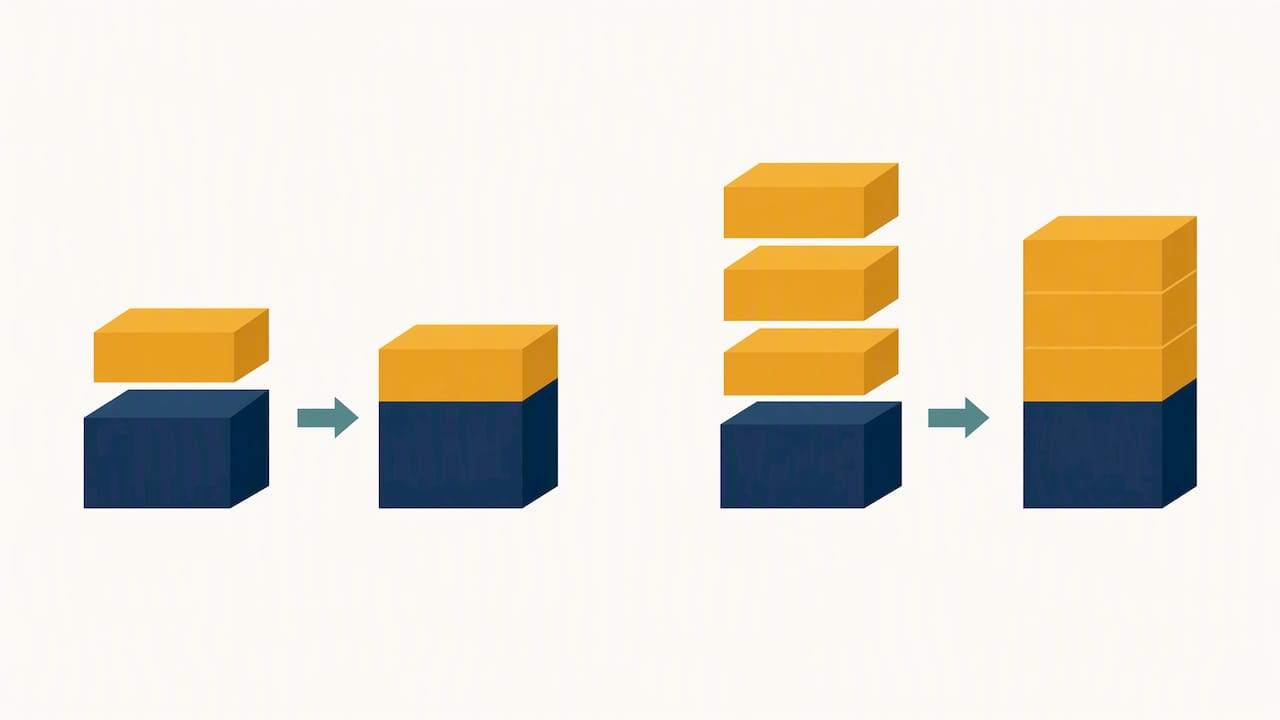
Programs that include coach calls tend to cost more because training, supervision, and staff salaries all add to delivery expenses. That added cost buys something measurable: a 2023 randomized trial of the OurRelationship program found that coaching level affects both completion and implementation costs, with coaching improving adoption and follow-through even though it raises the price per couple.
A 2023 randomized trial found that coaching level shapes both completion rates and delivery cost for online relationship programs, which means the cheaper, no-coach version of a course is not automatically the better value if you do not finish it.
A practitioner review of online couple interventions reaches a similar conclusion: adding even periodic coach check-ins significantly increases completion for self-paced courses, and the review recommends factoring support level into any cost comparison.
- Pay more for coaching when your relationship is in active distress or you need outside accountability to follow through.
- Self-guided courses can work for milder communication friction but carry a higher dropout risk without anyone checking in.
- Budget courses with no human contact rely entirely on your own follow-through to deliver value.
Is it worth it? What the research says about effectiveness
Randomized trials of web-based relationship programs report real, measurable gains, not just good intentions. A nationally representative trial of the OurRelationship program found improvements in relationship satisfaction (Cohen’s d = 0.69), along with reductions in depressive symptoms (d = 0.71) and anxious symptoms (d = 0.94), figures that fall in the small-to-large range by conventional standards.
Cost matters too, especially at scale. A cost-effectiveness analysis comparing internet-based and in-person couple interventions found that internet programs become more cost-effective than in-person integrative behavioral couple therapy once a program serves roughly 153 to 229 couples, a scaling advantage that keeps per-couple costs down as enrollment grows.
The gains from online relationship programs show up in both the data and the economics: measurable improvement in satisfaction and mental health symptoms, paired with lower per-couple cost once a program reaches enough couples to scale.
None of that guarantees results for every couple. Dropout and engagement still matter, and a less expensive self-guided course can under-deliver if you never finish the material, which is exactly why support level belongs in your cost comparison, not just the price tag.
A practical checklist for comparing cost and value
Use these steps in order rather than jumping straight to the lowest price you see.
- Add up the full cost, including any coaching sessions you would realistically book, plus the time you can commit per week.
- Check the level of human support included and look for any published evidence the program actually improves outcomes.
- Confirm the refund or trial policy, and check mobile access and captions if accessibility matters to you.
- Match the format to your actual goal: a light communication refresher calls for a different course than deep, recurring conflict work.
Pro Tip: Try a free or low-cost module first to see whether the teaching style and pace fit before committing to a higher-priced package.
If you are weighing a course against other low-cost starting points, our guide to free online marriage counseling options walks through what to try before you spend anything, and our breakdown of what couples workshop costs actually buy covers the higher end of the price range in more depth.
A clinician’s note on using these courses well
As a licensed mental health professional, I tell couples that a course is a set of tools, not a finished repair. The lessons matter less than what you do with them between sessions.
Pair any course material with a scheduled practice time each week and a short check-in to talk about what worked. In my experience, the couples who add paid coach time around the course content are the ones who see the shift carry over into real arguments, not just the practice ones.
— Carlos
Where Couples Fight School fits your budget
Wherever you land on the price spectrum, we built options to meet you there. Our lineup includes video courses, therapist-written workbooks, and online coaching, so you can start with self-paced material and add live support when you need it.
- Self-paced video courses and workbooks for couples who want structure without scheduling calls.
- Online coaching and multi-session packages for couples who want a live person guiding the work.
- Intensives for couples who want concentrated, in-depth support in one sitting.
Pairing a structured course with a few coaching sessions tends to improve follow-through, which is exactly where the format does its best work. Browse current course and workbook pricing in our shop, or see coaching packages and rates on our online coaching page. If you are navigating a specific life change together, our partner’s guide on how pregnancy changes a marriage is a useful companion read while you choose a course.
This article is general information, not a substitute for advice from a qualified doctor. Consult a qualified healthcare professional about your own circumstances before acting on anything here.
FAQ
How much does an online marriage course typically cost?
Self-paced online courses for communication and conflict range from free or low-cost options to more expensive programs with coach calls or live sessions. The exact price depends mainly on how much human support is included, not just the content length.
Is a cheap or free marriage course actually effective?
A free or low-cost self-guided course can help with milder communication issues, but it relies entirely on your own follow-through to work. Research on coach-supported programs found that adding support improves completion, so a free course may under-deliver if you do not finish it.
Are online marriage courses cheaper than couples therapy?
A cost-effectiveness study found internet-based interventions can become more cost-effective than in-person therapy as a program scales. Individual therapy session rates vary widely by provider and location.
How much does Couples Fight School cost?
Pricing varies by format: our video courses and workbooks are sold individually in the shop, while coaching packages and intensives are listed on our coaching and intensive pages. Checking those pages directly gives you the current rate for the format you want.
How long does an online marriage course take to complete?
Self-paced courses are typically designed to be finished over a few weeks with a module or two per week, while coach-supported packages often run on a fixed schedule of several sessions. The actual timeline depends on how much time you and your partner can commit each week.
Sources
- A randomized controlled trial of the web-based OurRelationship program: Effects on relationship and individual functioning.
- A randomized controlled trial of the online OurRelationship program with varying levels of coach support
- Review Harnessing technology to provide online couple interventions
Recommended