
Church Premarital Counseling: Role, Benefits & What to Expect
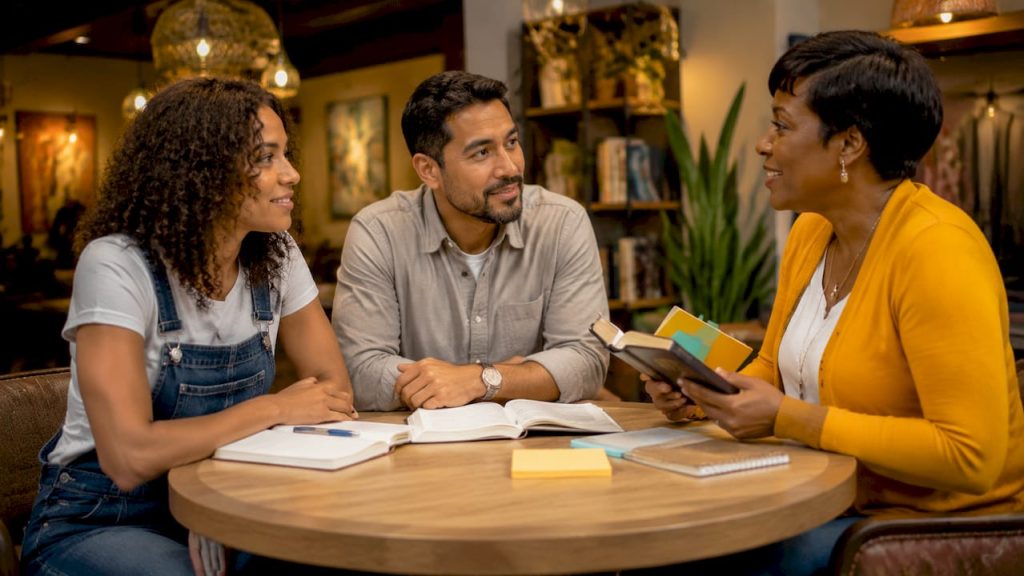
Church premarital counseling is a faith-based, structured process that prepares engaged couples for a lifelong, God-honoring marriage by combining spiritual guidance with practical relationship skills. Known formally as premarital preparation or pastoral pre-marriage counseling, this process goes far beyond wedding logistics. It addresses communication patterns, financial expectations, conflict styles, and spiritual alignment before couples say “I do.” Understanding what is the role of church premarital counseling matters because research confirms it directly reduces divorce risk and improves long-term marital satisfaction. If you are engaged or seriously considering marriage, this guide covers everything you need to know.
What is the role of church premarital counseling?
Church premarital counseling serves as both preparation and spiritual formation. Its primary role is to root couples in faith-based principles of covenant faithfulness, using biblically grounded workbooks and pastoral guidance to shape how two people understand marriage itself. This is not just relationship advice. It is a deliberate process of aligning two individuals around shared values, shared faith, and shared expectations before they build a life together.
The counseling also functions as a screening process. Pastors use these sessions to identify red flags and unresolved issues that could threaten the marriage. Some churches require premarital counseling as a prerequisite to officiate the wedding and may decline to marry couples who refuse or fail to complete it. That policy reflects how seriously faith communities take the covenant of marriage.
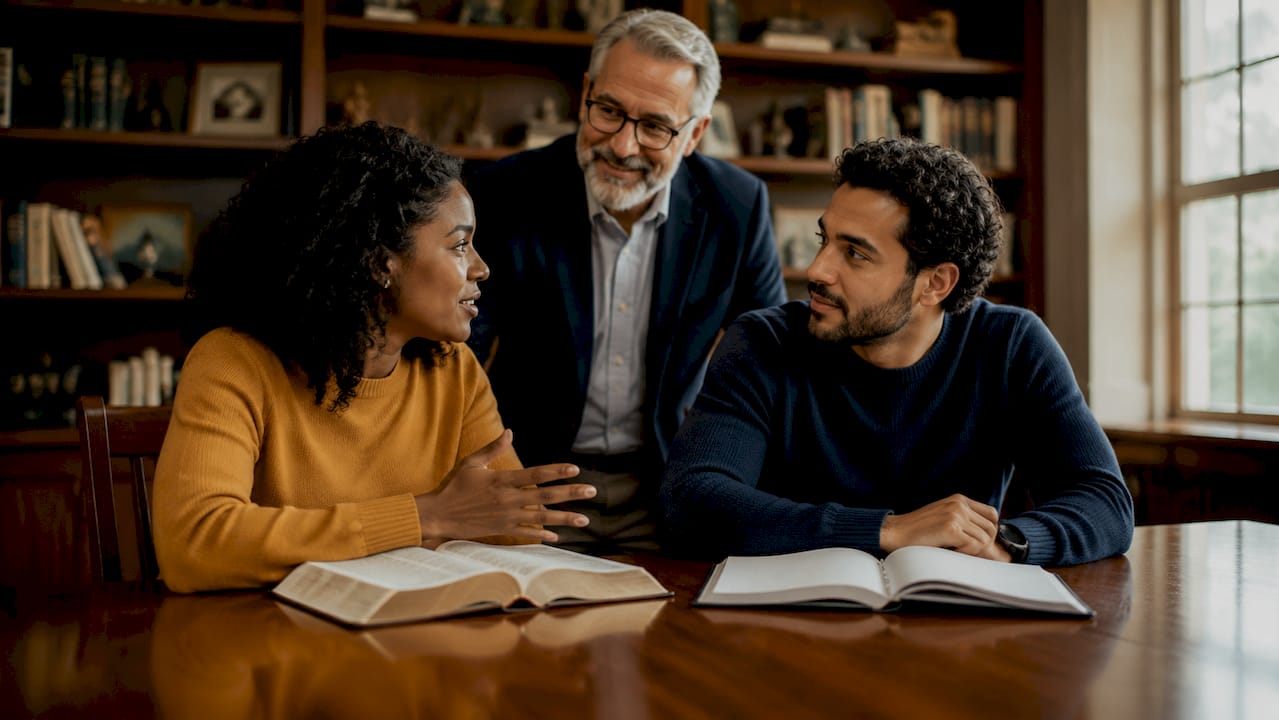
Church counseling also reframes what marriage is. Marriage as a covenant carries spiritual and moral weight that a civil contract does not. Couples learn to see their commitment not as a romantic arrangement but as a binding promise before God and community. That shift in perspective changes how couples handle conflict, disappointment, and sacrifice.
Does premarital counseling actually reduce divorce risk?
The evidence is clear and specific. Couples who participate in premarital counseling reduce their divorce risk by about 31% and report higher marital satisfaction compared to couples who skip preparation entirely. A meta-analysis supporting this finding shows an effect size of 0.80, which is considered large in behavioral research. Some assessment tools used in counseling can predict marital success with 80–90% accuracy.
These numbers matter because they point to a mechanism, not just a correlation. Counseling works because it builds communication skills, aligns expectations, and teaches conflict resolution before those skills are urgently needed. Couples who gain durable communication skills through structured preparation experience less relational stress when real-life pressures arrive.
Consider what typically happens without preparation. Many couples spend more time planning weddings than preparing for the marriage itself. Counseling corrects that imbalance by refocusing attention on lasting commitments rather than a single-day event. The return on that investment compounds over decades.
The importance of premarital counseling is not theoretical. It is measurable, documented, and consistent across multiple studies and faith traditions.
What topics does church premarital counseling cover?
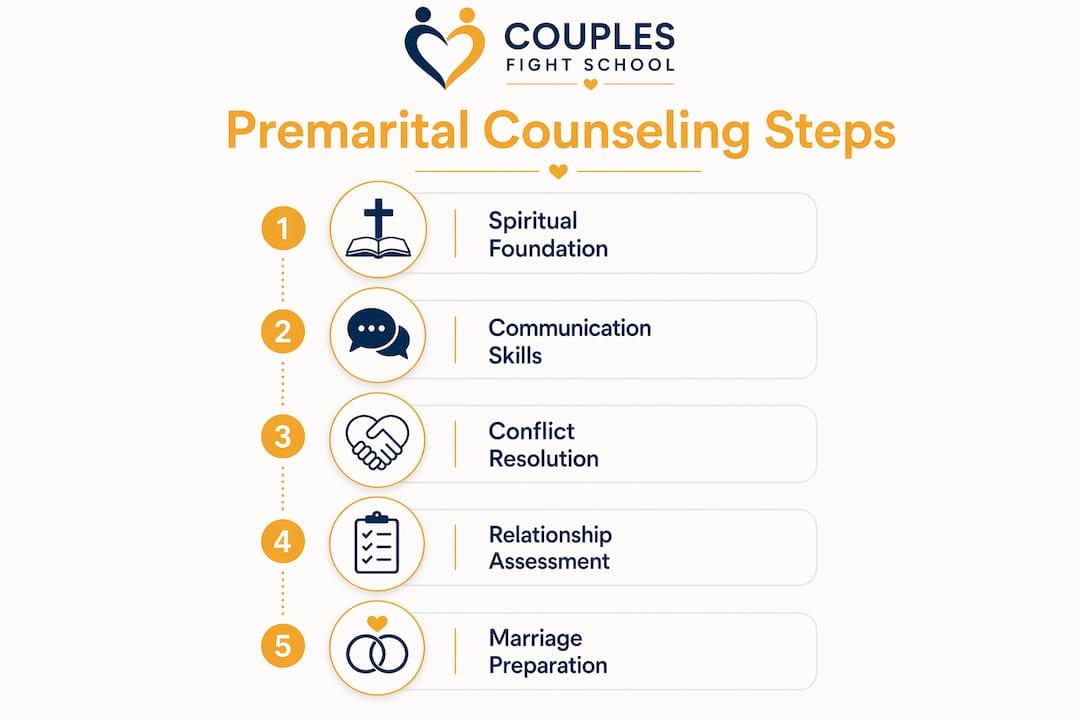
Church premarital programs typically include 4–8 structured sessions starting 6–12 months before the wedding. That timeline gives couples enough space to process what they learn and make informed decisions before the wedding date creates pressure to proceed regardless.
Core topics covered across most programs include:
- Communication styles and how each partner expresses needs, emotions, and disagreements
- Conflict resolution frameworks grounded in biblical principles rather than winning arguments
- Financial management, including debt, spending habits, savings goals, and financial roles
- Family planning, including children, parenting philosophies, and extended family boundaries
- Intimacy and sexuality, addressed within a biblical framework of mutual respect and covenant love
- Roles and responsibilities within the household and marriage structure
Most church programs use biblically based workbooks and structured curricula. Common programs include Prepare/Enrich, SYMBIS (Save Your Marriage Before It Starts) by Les and Leslie Parrott, and Before You Say I Do by H. Norman Wright. Each uses assessments to surface areas of strength and areas needing growth.
| Program | Format | Faith Integration | Assessment Tool |
|---|---|---|---|
| Prepare/Enrich | 4–8 sessions, pastor-led | Adaptable to faith context | Couple inventory assessment |
| SYMBIS | Self-paced or pastor-led | Explicitly Christian | Online assessment |
| Before You Say I Do | Workbook-based | Evangelical Christian | Discussion guides |
| Catholic Pre-Cana | Weekend retreat or sessions | Catholic doctrine | Inventory and reflection |
Pro Tip: Start counseling at least six months before your wedding date. Starting earlier gives you time to work through difficult topics without the pressure of an approaching ceremony.
How does church counseling integrate spiritual mentorship?
Church premarital counseling does something secular counseling rarely does: it connects couples to a community that will still be present after the wedding. Here is how that integration typically unfolds:
- Pastoral guidance grounds the sessions in Scripture and covenant theology, giving couples a shared spiritual framework for marriage decisions.
- Mentor couple involvement pairs engaged couples with older, experienced married couples from the congregation who model what long-term faithfulness looks like in practice.
- Pre-marriage blessings and sacraments mark the transition from preparation to commitment, giving the process spiritual weight and communal recognition.
- Ongoing discipleship continues after the wedding through small groups, marriage ministries, and accountability relationships within the church community.
“Counseling is not just relationship advice but a spiritual preparation for covenant faithfulness aligned with God’s Word, moving couples beyond selfishness.” — Christian Publishing House
This is the defining difference between church counseling and secular premarital therapy. Secular counseling ends when the sessions end. Church counseling often evolves into lifelong mentorship and community support that extends well beyond the wedding day. Older couples mentor newlyweds for ongoing spiritual and relational growth, creating an inter-generational support structure that no therapist’s office can replicate.
Pro Tip: Ask your pastor specifically about mentor couple programs in your church. If none exists, request one. Many couples who had mentors report it as the most valuable part of their premarital experience.
The role of faith in marriage counseling also addresses what Christian couples still struggle with even after strong preparation: the gap between knowing biblical principles and applying them under emotional pressure. Counseling begins to close that gap before the wedding.
What critical conversations does counseling make possible?
Pastoral counseling provides a structured, safe space to answer difficult questions and align on major life issues before marriage. Many couples avoid these conversations because they fear conflict or assume they will “figure it out later.” Counseling removes that avoidance by making the conversations required, not optional.
Questions couples explore during church premarital counseling include:
- How will we handle money, debt, and financial decisions together?
- What are our expectations around children, timing, and parenting styles?
- How do we each handle anger, stress, and emotional withdrawal?
- What role will our families of origin play in our marriage?
- How do we define spiritual leadership and shared faith practice in our home?
- What happens if one of us loses a job, faces illness, or changes faith commitments?
These are not comfortable questions. They are necessary ones. Pastors are trained to uncover incompatibilities and encourage honest dialogue before those incompatibilities become crises inside the marriage. When a pastor identifies a significant unresolved issue, the ethical response is to advise postponement rather than proceed. That is not a failure of the counseling process. It is the process working exactly as intended.
Couples also learn to apply biblical principles to conflict rather than defaulting to patterns inherited from their families of origin. That shift alone changes the trajectory of a marriage.
Key takeaways
Church premarital counseling works because it combines spiritual accountability, practical skill-building, and community integration into a structured process that secular preparation cannot replicate.
| Point | Details |
|---|---|
| Divorce risk reduction | Premarital counseling reduces divorce risk by about 31% and raises marital satisfaction. |
| Structured preparation | Programs run 4–8 sessions covering communication, finances, conflict, and family planning. |
| Spiritual formation | Counseling reframes marriage as a covenant, not a contract, grounded in biblical principles. |
| Community integration | Church counseling connects couples to lifelong mentorship and ongoing discipleship support. |
| Critical conversations | Counseling creates space for honest dialogue on finances, intimacy, roles, and family expectations. |
What i’ve learned after years of working with couples
Most couples come into premarital counseling thinking it is a formality. They have already decided to get married. They love each other. They assume the sessions will confirm what they already know. What I have seen repeatedly is that the sessions reveal what they did not know they did not know.
The couples who benefit most are the ones who treat counseling as a genuine discovery process rather than a checklist. They come in willing to be surprised, willing to be challenged, and willing to sit with discomfort when a hard truth surfaces. The couples who struggle are the ones who treat every session as a performance, presenting their best selves to the pastor rather than their real selves to each other.
One thing I believe most articles miss is the accountability dimension. Knowing that a pastor, a mentor couple, and a faith community are watching your marriage unfold changes how you behave inside it. That social and spiritual accountability is not pressure. It is protection. It gives couples a reason to reach out for help early rather than waiting until the marriage is in crisis.
My honest observation after years of working with couples is this: the couples who invest seriously in premarital preparation, whether through church counseling, structured courses, or both, enter marriage with a fundamentally different mindset. They know conflict is coming. They have tools ready. They have people to call. That preparation does not prevent hard seasons. It determines whether couples survive them.
— Carlos
Build on your church counseling with practical conflict tools
Church premarital counseling gives you a spiritual foundation. Couplesfightschool gives you the practical communication tools to build on it every day.
Couplesfightschool was founded by licensed mental health professionals Carlos Todd and Natasha Pemberton-Todd, and it is built specifically for couples who want to fight less, communicate better, and build real emotional intimacy. The F.I.G.H.T. Plan® framework teaches couples how to handle conflict without destroying connection. Whether you are engaged, newly married, or years into your relationship, online coaching for couples through Couplesfightschool gives you personalized guidance that complements everything you learn in church counseling. Start building the skills your marriage will depend on.
FAQ
What is the main purpose of church premarital counseling?
Church premarital counseling prepares couples for marriage by combining spiritual formation with practical relationship skills. Its primary role is to ground couples in covenant faithfulness, align expectations, and build communication and conflict resolution skills before the wedding.
How many sessions does church premarital counseling typically include?
Most church premarital programs include 4–8 sessions and begin 6–12 months before the wedding date. Session count varies by program, denomination, and the specific needs of the couple.
Can a church refuse to marry a couple without premarital counseling?
Yes. Some churches require premarital counseling as a prerequisite to officiate the wedding and may decline to marry couples who refuse or fail to complete it. Pastors may also advise postponement if serious unresolved issues surface during sessions.
How does church counseling differ from secular premarital therapy?
Church counseling integrates biblical principles, spiritual accountability, and community mentorship that secular therapy does not include. It also connects couples to ongoing discipleship and mentor relationships within the congregation that continue long after the wedding.
What topics should couples expect to discuss in premarital counseling?
Couples typically discuss communication styles, conflict resolution, financial management, family planning, intimacy, household roles, and spiritual practices. Pastors also use sessions to surface incompatibilities and encourage honest dialogue on long-term life expectations.
Recommended